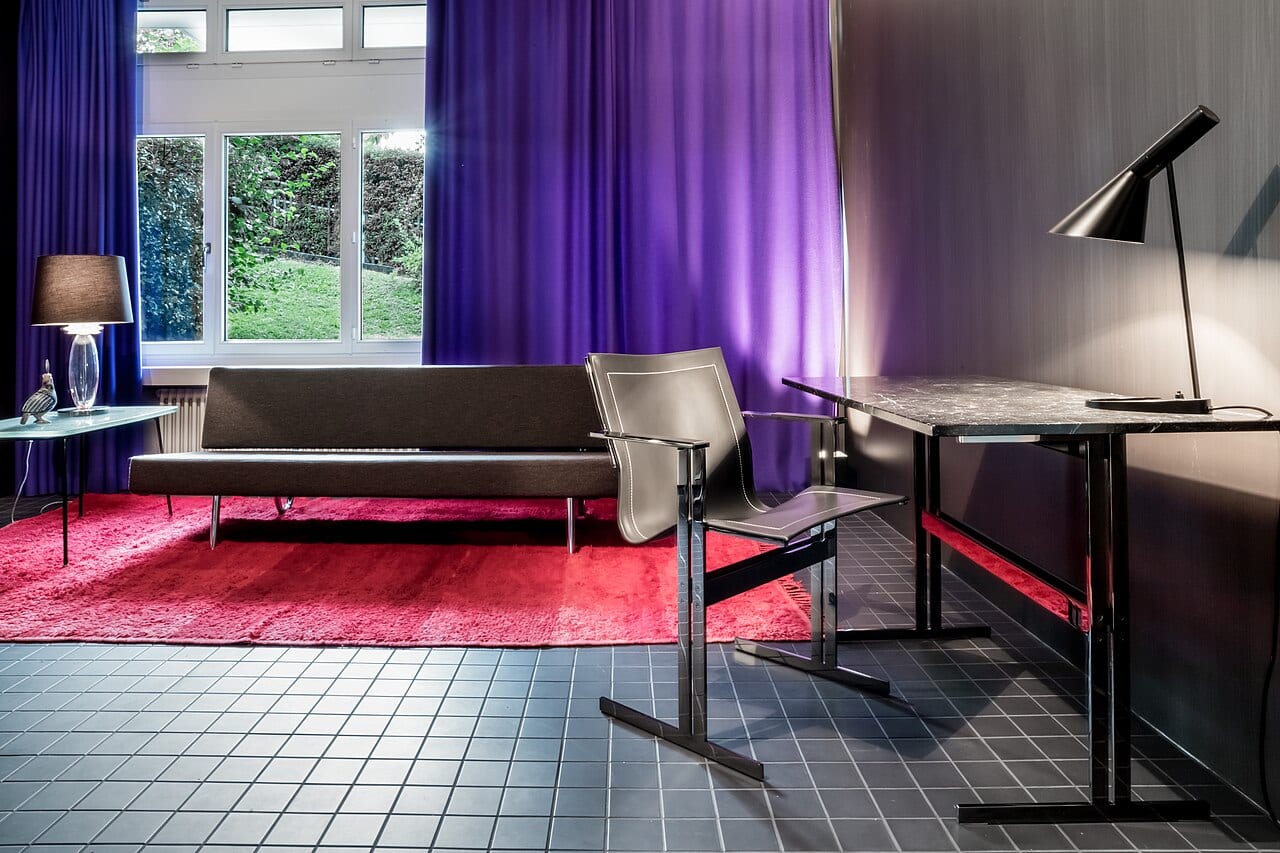
A designer sits at a table with two sets of notes. On the left, one stakeholder describes a space that feels "warm, inviting, and communal," like a neighborhood porch in a quiet Texas suburb. On the right, another describes a vision that is "sleek, high-energy, and efficient," reminiscent of a bustling downtown transit hub. These descriptions do not just differ in tone; they pull the visual direction in opposite directions.
The Trap of Personal Preference
The friction often arises because feedback is frequently delivered as a statement of personal liking rather than a functional requirement. One person might want a specific shade of blue because it reminds them of a childhood home, while another might reject a layout because it feels "cluttered" based on their own minimalist habits. When these subjective preferences are treated as project mandates, the design loses its ability to serve its intended audience.
To move forward, the designer must look past the adjectives and identify the underlying objective. A request for "warmth" might actually be a requirement for acoustic dampening in a loud room, or a need for soft lighting to aid readability. Conversely, a demand for "sleekness" might be a way of asking for durable, easy-to-clean surfaces in a high-traffic area. The goal is to determine if the feedback addresses the user's needs or merely the stakeholder's mood.
Balancing Texture and Function
Every design choice involves a tradeoff between aesthetic texture and operational utility. For example, if a project involves creating a new storefront or a community workspace, the designer must weigh the visual impact against the physical reality of the space.
For example, if a client requests heavy, dark wood textures to create a sense of established permanence, the designer must consider how that choice affects the natural light levels and the perceived scale of the room. If the space is small, that "permanent" feeling might inadvertently create a cramped, oppressive atmosphere that drives customers away. The tradeoff is between the emotional weight of the materials and the physical comfort of the occupants.
Refining the Brief
When faced with these contradictions, the most effective path is to pause the visual work and return to the foundational questions. Instead of attempting to blend two incompatible styles into a muddy middle ground, ask the stakeholders to clarify the intended behavior of the space.
Ask the following questions to bridge the gap:
- Who is the primary person using this space, and what is the one task they must complete successfully?
- Does this specific aesthetic choice support or hinder the user's ability to navigate the environment?
- If we prioritize the "high-energy" elements, what specific functional benefit does that provide to the end user?
By refocusing the conversation on the user's journey rather than the stakeholder's palette, the designer can transform conflicting descriptions into a single, cohesive strategy that serves the project's true purpose.


