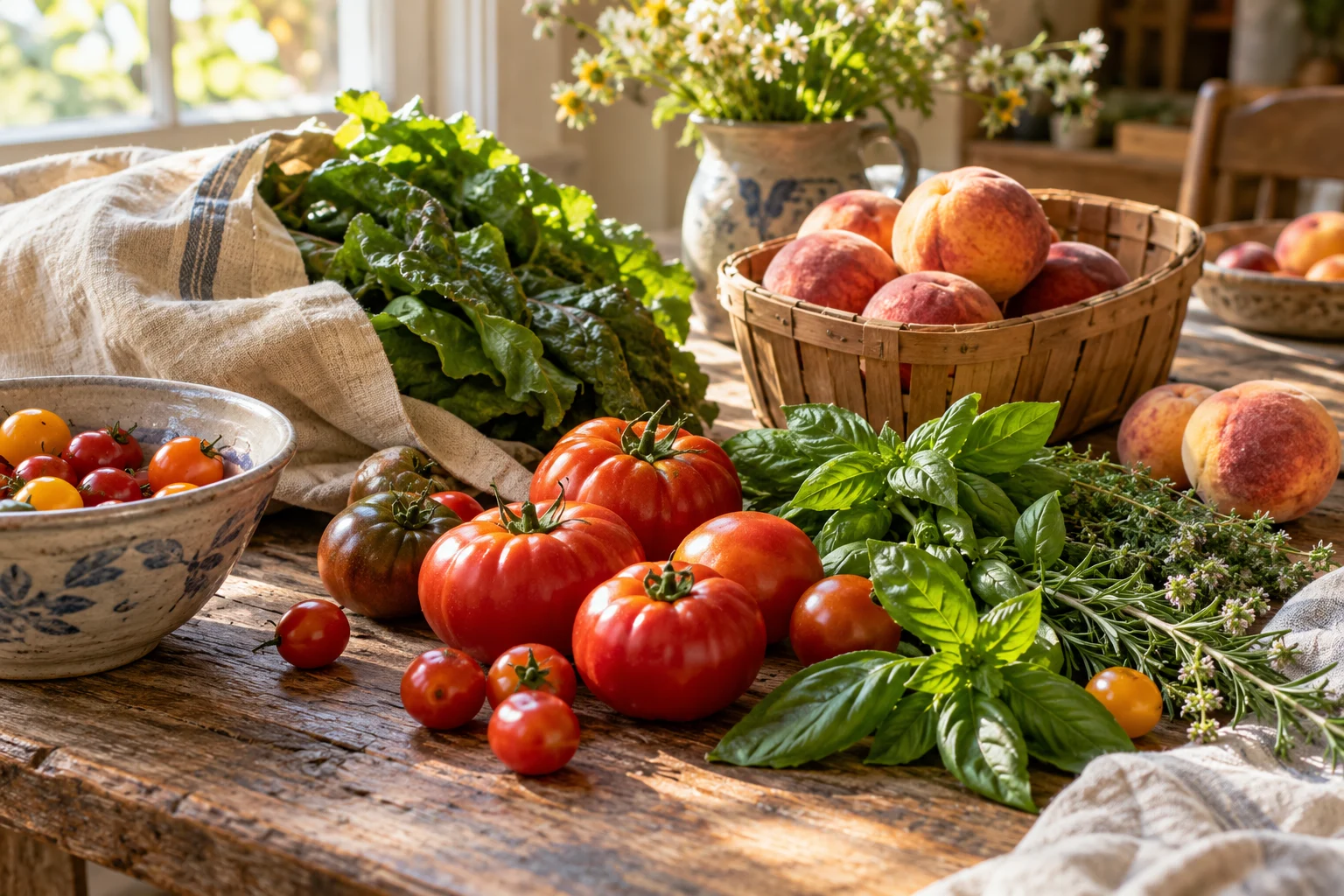
A small, sun-drenched stall at a local farmers market offers more than just jars on a shelf; it offers a sensory puzzle. Choosing a specific honey involves weighing the nectar source, the texture, and how it will actually function in your kitchen. Because every harvest carries its own character, the selection process becomes a study in personal taste versus practical necessity.
Balancing the Pair
Selecting a single jar for a shared household often reveals a quiet tension between two distinct culinary philosophies. For example, if you are shopping with a partner, you might find yourselves at a crossroads of utility and indulgence. One person may be looking for a versatile, mild sweetener to stir into morning tea or oatmeal without altering the flavor profile of the grain. The other might be seeking a bold, robust jar with deep floral notes intended to stand alone on a cheese board or to glaze a specific roast.
This creates a meaningful tradeoff. A honey that is subtle enough for daily breakfast rituals may lack the character required for a centerpiece dessert. Conversely, a highly specialized, single-origin honey might be too intense for a simple cup of tea, making it a luxury rather than a staple. You must decide whether to split the budget between two smaller, specialized jars or to find a middle ground that satisfies neither perfectly but serves both moderately.
Listening to the Source
Rather than assuming one jar is inherently better than the next based on its label, focus on the descriptions provided by the producer. The texture and scent are the most immediate indicators of how the product will behave. Some varieties may be thick and creamy, while others remain fluid and translucent. These physical traits are not just aesthetic; they dictate how the honey will pour, spread, or dissolve.
When standing before the selection, ask the vendor how they describe the specific notes of the batch. Ask which varieties they suggest for baking versus those meant for direct consumption. If you are unsure how a particular harvest might react to heat, ask the seller how the flavor profile changes when it is cooked or boiled. Their descriptions can clarify whether a honey is meant to be a background note or a primary actor in a dish.
Refining the Choice
Once you have identified a potential candidate, consider the quantity. Buying a large volume of a highly specific, seasonal honey carries the risk of fatigue if the flavor is too dominant for your palate. If the goal is experimentation, smaller vessels allow for more frequent changes in variety. If the goal is a reliable pantry mainstay, look for the descriptions that suggest a more neutral, consistent profile.
The final decision rests on whether you prioritize the immediate joy of a unique flavor or the long-term utility of a versatile ingredient. By weighing the vendor's descriptions against your specific household needs, you can move past the impulse to buy "the best" and instead secure the honey that fits your kitchen's actual rhythm. Determine if your priority is a singular culinary event or a consistent daily companion, and let that guide which jar makes it into your basket.