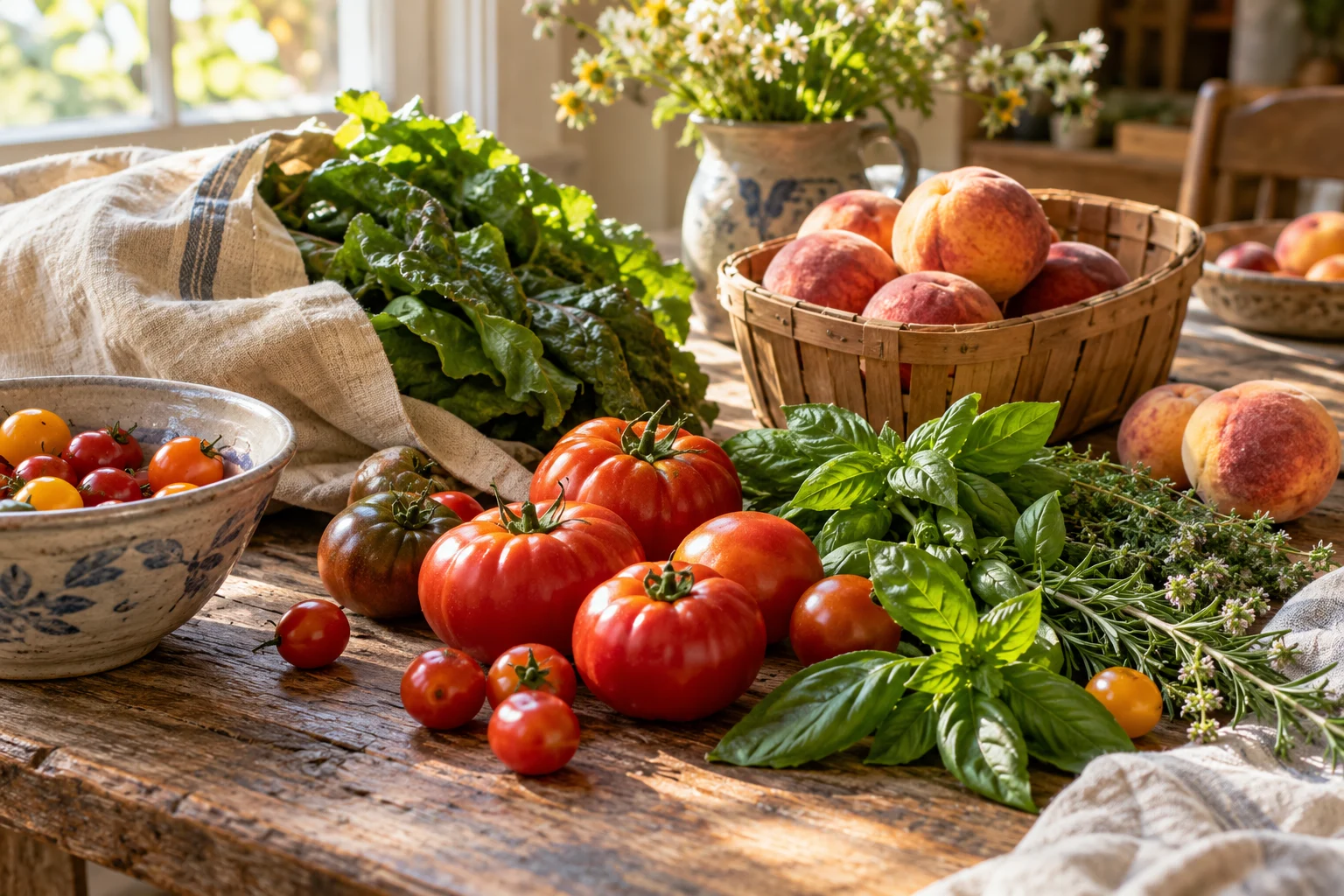
An old recipe notebook often arrives as a fragmented map. You might find a stained page detailing a Sunday roast, only to realize the instructions for the gravy were scribbled on a separate, now-missing scrap of paper. For those inheriting a collection of family culinary notes, the task is rarely about simple replication; it is about managing an unfinished plan that carries both emotional weight and practical gaps.
The Architecture of an Heirloom
A recipe is more than a list of ingredients; it is a record of a specific time and place. When you encounter a handwritten note, the first step is to capture the original source exactly as it exists. This includes the handwriting style, the specific measurements used, and even the notes in the margins about a particular brand of flour or a seasonal vegetable. Recording the original state provides a baseline before any modern adaptations occur.
As you begin to use these instructions, you may find it necessary to make changes. Perhaps a local grocery store no longer carries the specific spice blend mentioned, or you prefer a different fat for sautéing. These moments represent a tradeoff between historical accuracy and contemporary convenience. While the original version preserves the past, your version reflects your current kitchen and pantry.
Documenting the Evolution
To maintain the integrity of the notebook, create a system for tracking these shifts. If you decide to swap a heavy cream for a lighter alternative, note the change clearly. This ensures that future generations can distinguish between what was intended by the original author and what was decided by the successor. This distinction prevents the history from becoming a blurred line of experimental changes.
For example, if you are attempting to recreate a grandmother’s signature peach cobbler, you might find that the local peaches are firmer than the ones she used in a different decade. If you choose to add a pinch of ginger to balance the sweetness, record that addition as a personal substitution. This allows the notebook to function as a living document that honors the source while acknowledging the reality of your own cooking.
Capturing the Sensory Response
The final component of a meaningful recipe journal is the diner’s response. A recipe is a social contract between the cook and the guest. Did the substitution change the texture of the crust? Did the guests find the new spice profile unexpected? Writing down these observations provides a qualitative layer that measurements alone cannot convey.
When dealing with significant deviations or complex ingredient substitutions, ask yourself how the change affects the core character of the dish. If a substitution fundamentally alters the intended outcome, consider whether the original method can be salvaged through a different approach. By documenting the source, the substitution, and the reaction, you transform an unfinished plan into a comprehensive guide for the future.