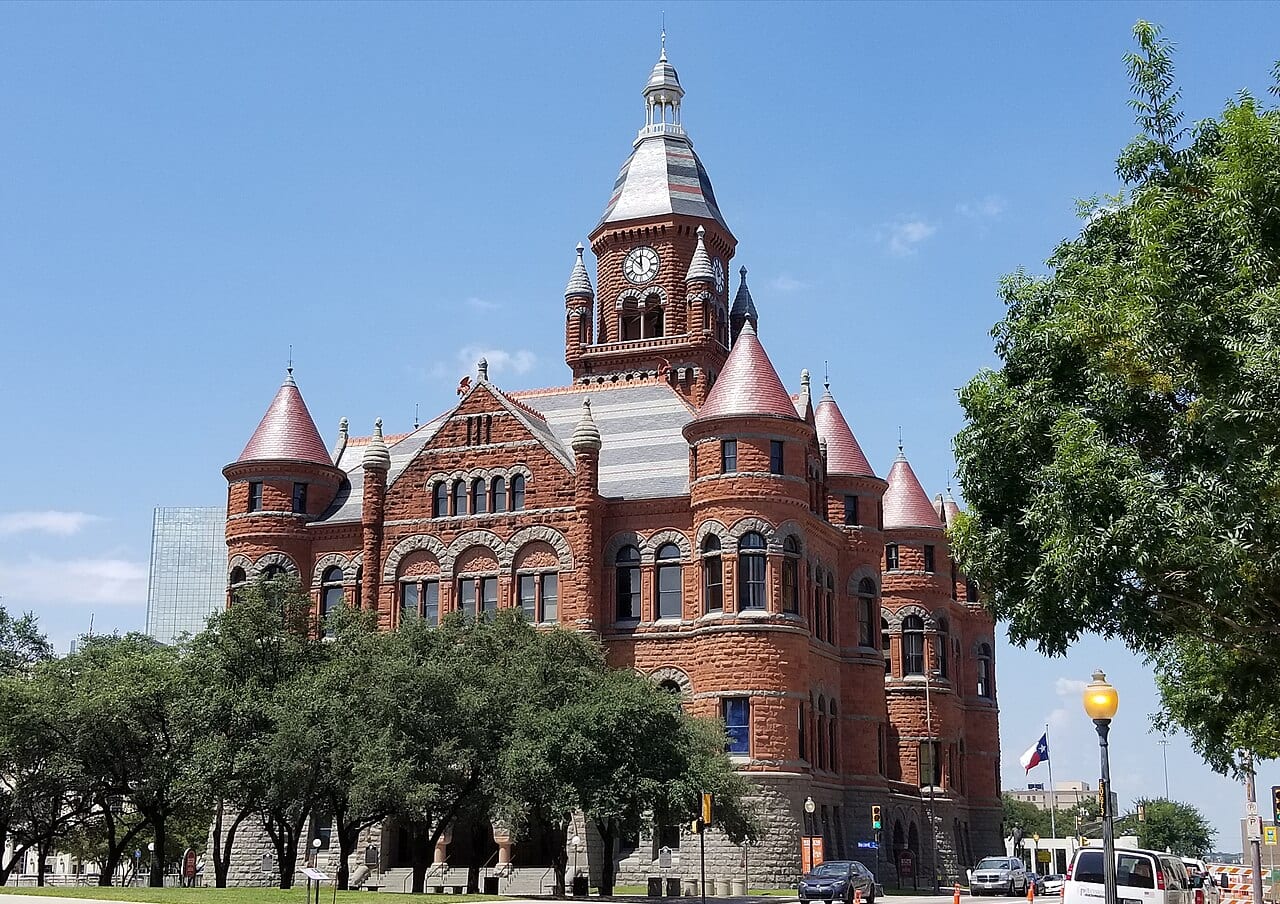
Walking through a quiet neighborhood in a Texas town, one often notices the layers of history left behind in the architecture and the landscaping. A garden partially planted, a porch awaiting a new railing, or a house that seems poised for a renovation that never arrived. Sometimes, these unfinished physical projects are mirrors of the administrative ones left behind by a loved one.
The Weight of Incomplete Intentions
Inheriting an estate often involves more than managing assets; it frequently involves encountering a series of half-finished decisions. You might find yourself looking at a collection of handwritten notes, a folder of partially completed documents, or a series of verbal promises made to family members. These items represent a desire for a specific outcome, but they do not necessarily constitute a finished roadmap. The tension lies in the gap between what the deceased intended to happen and what the current documentation actually accomplishes.
For example, imagine you inherit a family property that a relative intended to pass down to several cousins, but the paperwork regarding the transfer of ownership remains in a state of flux. You are left holding a vision of family unity that lacks the structural support to make it a reality. You face a tradeoff: do you attempt to honor the spirit of those unwritten wishes, or do you follow the strict, perhaps less sentimental, path laid out by the existing paperwork?
Distinguishing Vision from Reality
It is common to conflate a person's wishes with their legal standing. A heartfelt letter expressing a desire for a certain outcome is a meaningful piece of family history, but it is not the same as a completed directive. When you encounter these fragments, the goal is not to decide the strategy yourself, but to identify the exact nature of the uncertainty you are facing. You must distinguish between the outcome you hope to achieve and the information you lack to get there.
Before making any movements regarding the estate, consider the specific gaps in the records. Are the documents present but incomplete? Are the instructions contradictory? Is there a missing link between the intention and the authority to act? Identifying these specific points of friction is the first step in moving from a state of uncertainty to a state of informed observation.
Preparing Your Inquiries
When you sit down with a qualified professional to discuss these matters, avoid asking them to solve the emotional weight of the inheritance. Instead, focus your energy on the mechanics of the uncertainty. You might ask: "Based on these specific documents, what is the current status of the plan?" or "What specific information is missing that prevents this intention from being actionable?"
By focusing on the gap between the intended vision and the documented reality, you provide your counsel with the clearest possible starting point. Ask them to help you understand the difference between what the papers say and what the unwritten intentions suggest. This approach allows you to approach the resolution not as a guess, but as a calculated response to the facts at hand.