Selecting a restaurant for a large group often feels like a balancing act of geography and atmosphere. However, the challenge intensifies when the group’s collective needs undergo a shift. It is rarely a matter of changing the destination itself, but rather adjusting how you approach it because of a sudden change in the dietary routines of a guest.
Observing the Menu Landscape
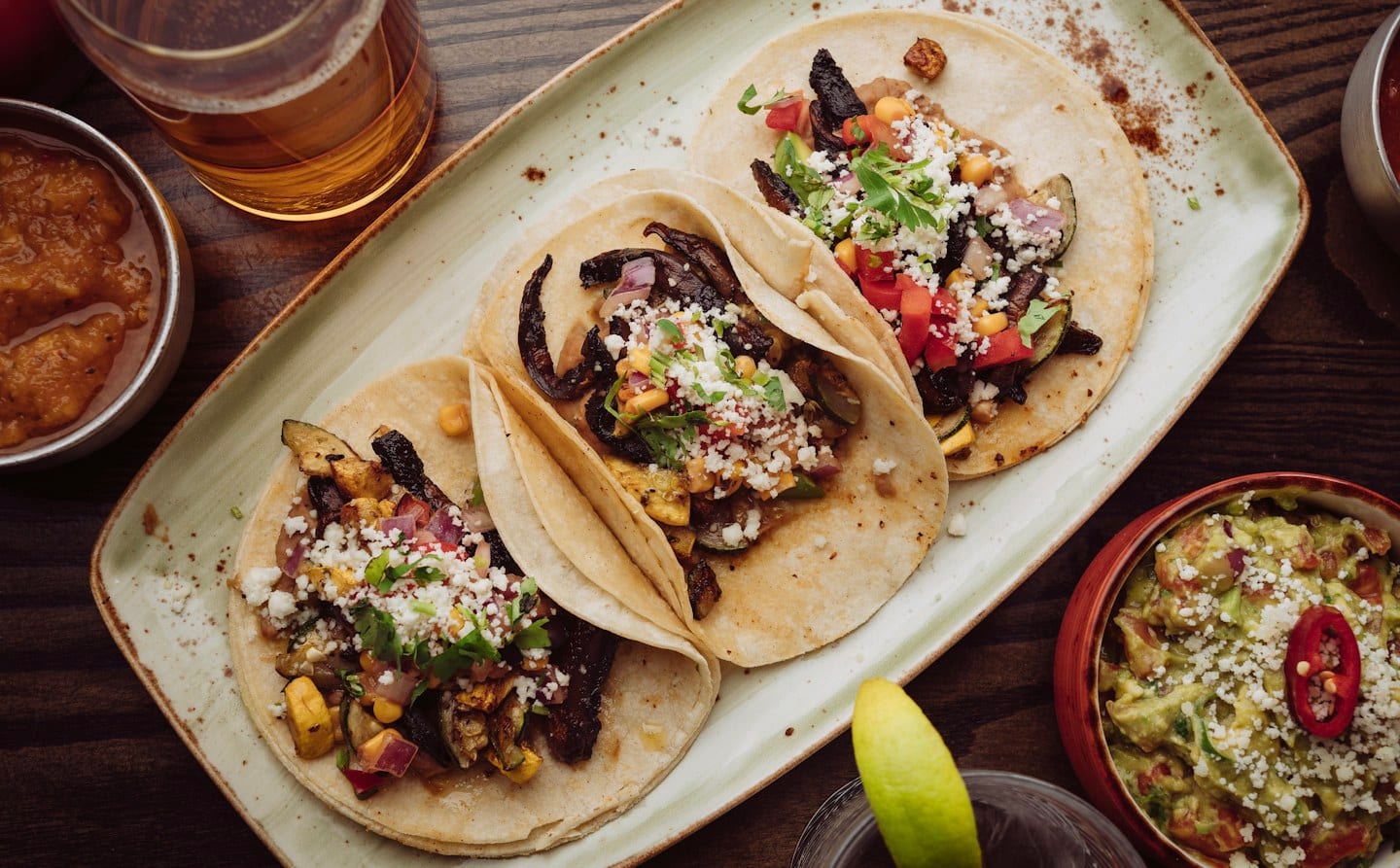
A successful evening begins with a direct comparison of available options. Rather than relying on a single summary of a restaurant's style, look closely at the individual menus of several local establishments. One venue might offer a heavy emphasis on a single protein, while another provides a wider breadth of vegetable-forward dishes.
When you observe these menus, look for the breadth of variety rather than just the presence of a single dish. A menu that lists many different ingredients across various sections often provides more flexibility than a menu that relies on a few standard substitutions. This observation allows you to weigh the tradeoff between a restaurant with a highly specialized, curated menu and one with a broader, more diverse selection.
The Weight of a New Routine
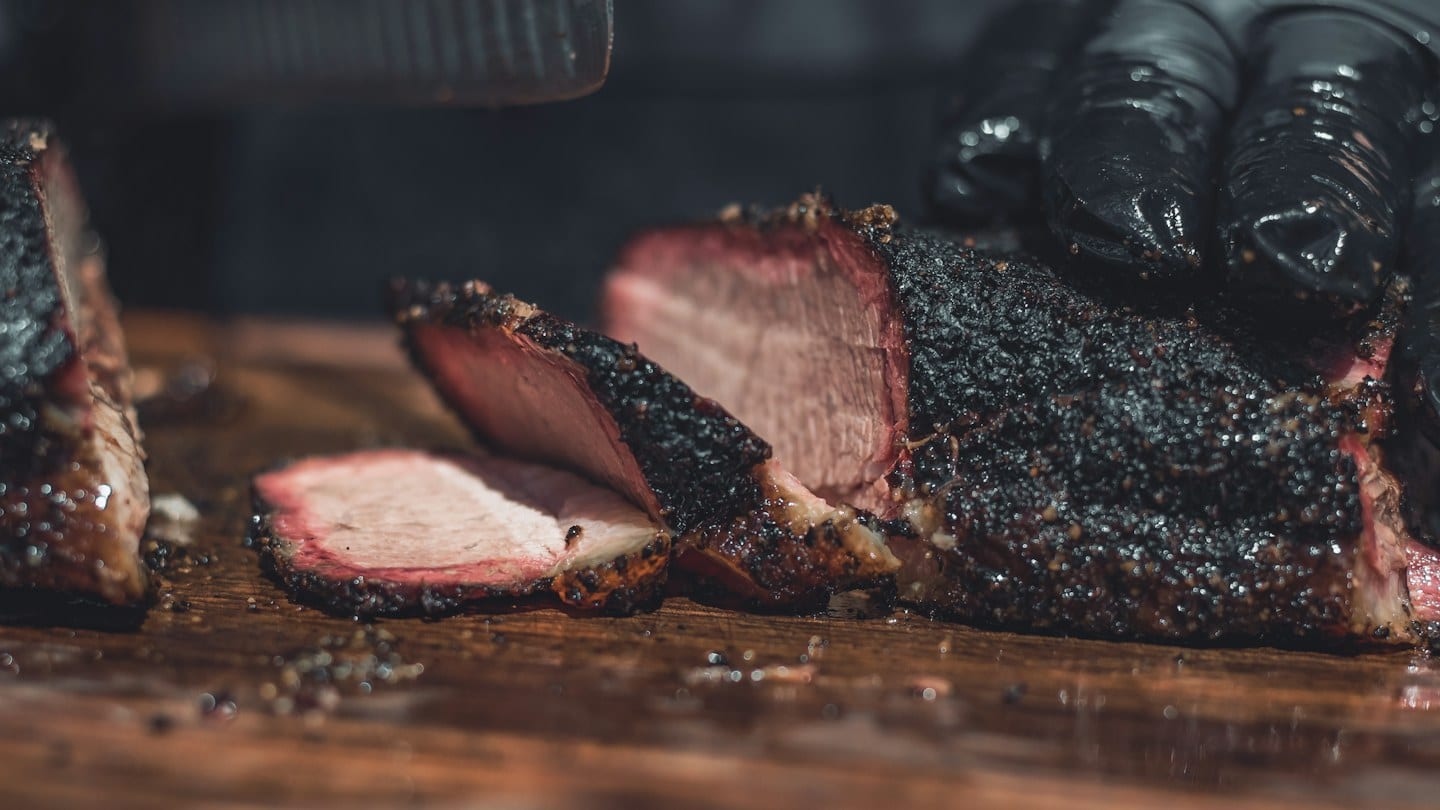
For example, if you have hosted this same group of friends at a steakhouse every month for a year, the goal remains the same: shared conversation and good food. However, if one member of that group has recently transitioned to a routine that excludes certain common ingredients, the steakhouse may no longer be the seamless choice it once was. The goal hasn't changed, but the logistics of the meal have.
In this scenario, the tradeoff involves choosing between a venue that can accommodate the new requirement with ease or a venue that requires significant improvisation. A restaurant that specializes in a cuisine with naturally diverse components may offer a smoother experience than a traditional establishment where every modification feels like an interruption to the kitchen.
Preparing the Dialogue
Once you have identified a potential venue, the next step is to bridge the gap between the printed menu and the reality of the kitchen. This is the moment to move beyond digital browsing and engage with the staff. Ask the restaurant how they manage specific ingredient requests and whether the kitchen can communicate clearly about what is included in a dish.
You might also ask if the staff is prepared to handle requests regarding specific ingredients during a busy service. Knowing how they approach these inquiries can help you decide if the environment is suited for your group's current needs. This preparation ensures that when the party arrives, the focus remains on the company rather than the logistics of the plate.
Ultimately, the best choice is found by matching the restaurant's inherent versatility with the specific, updated requirements of your guests. By comparing menus early and asking the right questions about their service style, you can maintain the social rhythm of your group while respecting their new routines.