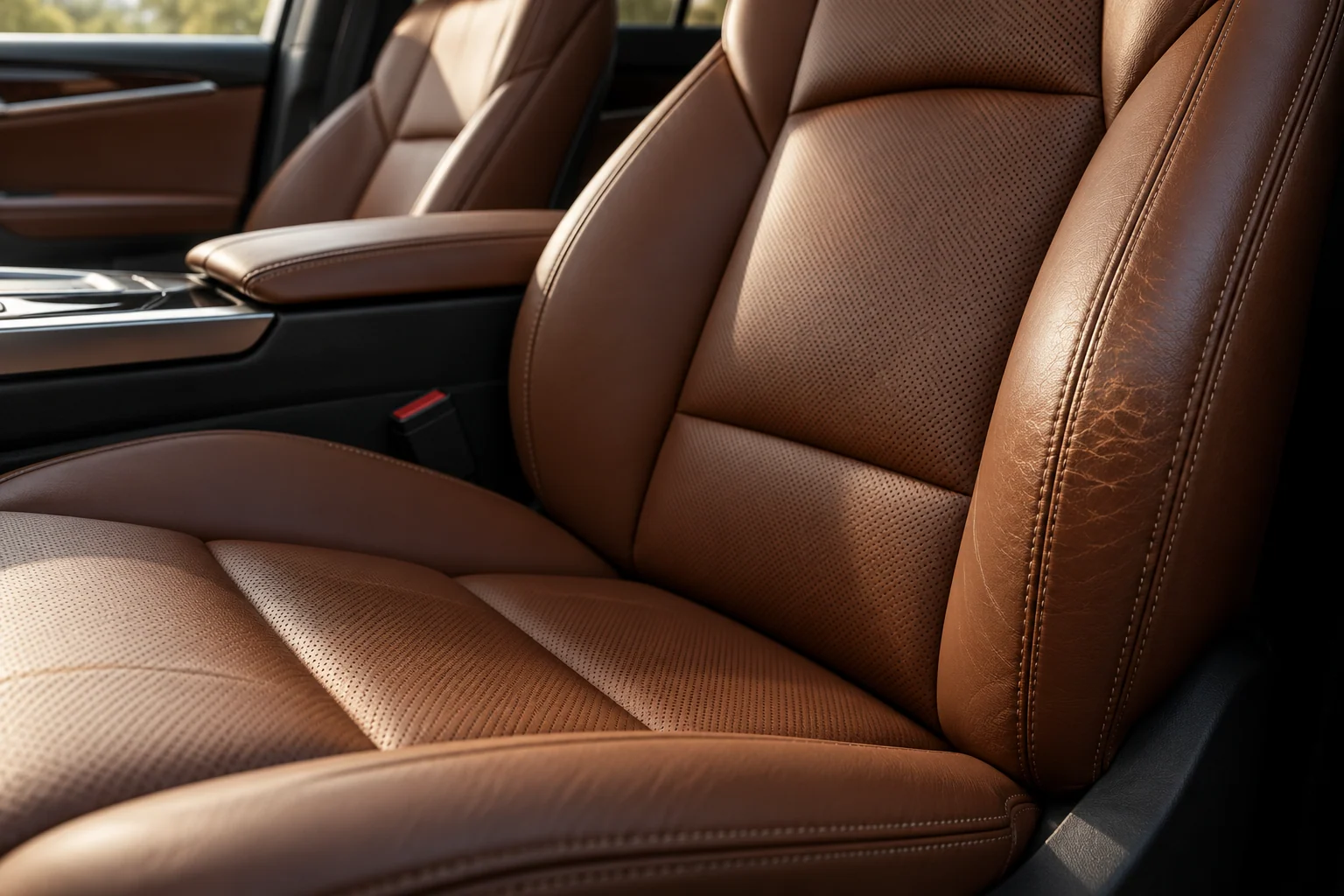
A high-resolution image of a cracked leather seat restored to a seamless finish can feel like a promise. In the age of digital portfolios, we often rely on these visual transformations to decide where to entrust our belongings. We look for the dramatic shift from weathered and worn to pristine and new, hoping that the visual evidence suggests a similar outcome for our own possessions. However, a photograph is a static snapshot of a single moment, and it may not reflect the complexities of the work involved or the specific needs of your item.
The Illusion of Uniformity
The visual evidence provided by a specialist often captures a successful moment in time. While these images are helpful, they represent a specific set of circumstances that may not mirror your own situation. A photograph shows the surface, but it does not show the environmental factors, the age of the material, or the specific stressors that led to the damage. A successful restoration on a piece kept in a controlled environment is a different undertaking than one for an item subjected to different conditions.
For example, if you have a vintage armchair that you previously used only for occasional reading, but your lifestyle has shifted toward hosting larger social gatherings, the item now faces a different set of physical demands. The goal remains the same—to preserve the chair—but the routine of use has changed. A photograph of a restored chair might look identical to your goal, but it does not account for how the repair interacts with this new, more frequent pattern of movement and weight distribution. The tradeoff here is between a repair that satisfies a visual standard and one that accommodates a change in how the object is utilized.
Weighting the Visual Evidence
When comparing these images, consider the difference between aesthetic appearance and the specific requirements of your item's current life. A repair that looks flawless in a static photo might rely on methods that prioritize immediate visual unity. You must decide if you are seeking a cosmetic fix or a repair intended to withstand your current habits. Because a photo cannot convey the tactile or structural response of a material, it cannot fully communicate how a repair will behave over time.
Ask the professional how the specific techniques shown in their portfolio address the particular wear patterns you have observed on your own item. Inquire whether the methods used in those successful examples are appropriate for the current condition and the intended frequency of use you have described. It is useful to ask how they handle materials that have undergone subtle changes in texture or flexibility. Ask what information they require from you to understand how the item will be used after the work is complete.
Defining the Outcome
The most important step is to move beyond the image and into the specifics of your own circumstances. A photograph can demonstrate a capability, but it cannot account for the unique history and the changing future of your possession. Rather than searching for the image that looks most like your desired result, focus on the dialogue regarding the reality of the work. Ask the specialist to describe the steps they would take to address the specific needs of your updated routine. By focusing on the process rather than just the picture, you can better determine if the intended outcome aligns with your specific situation.


