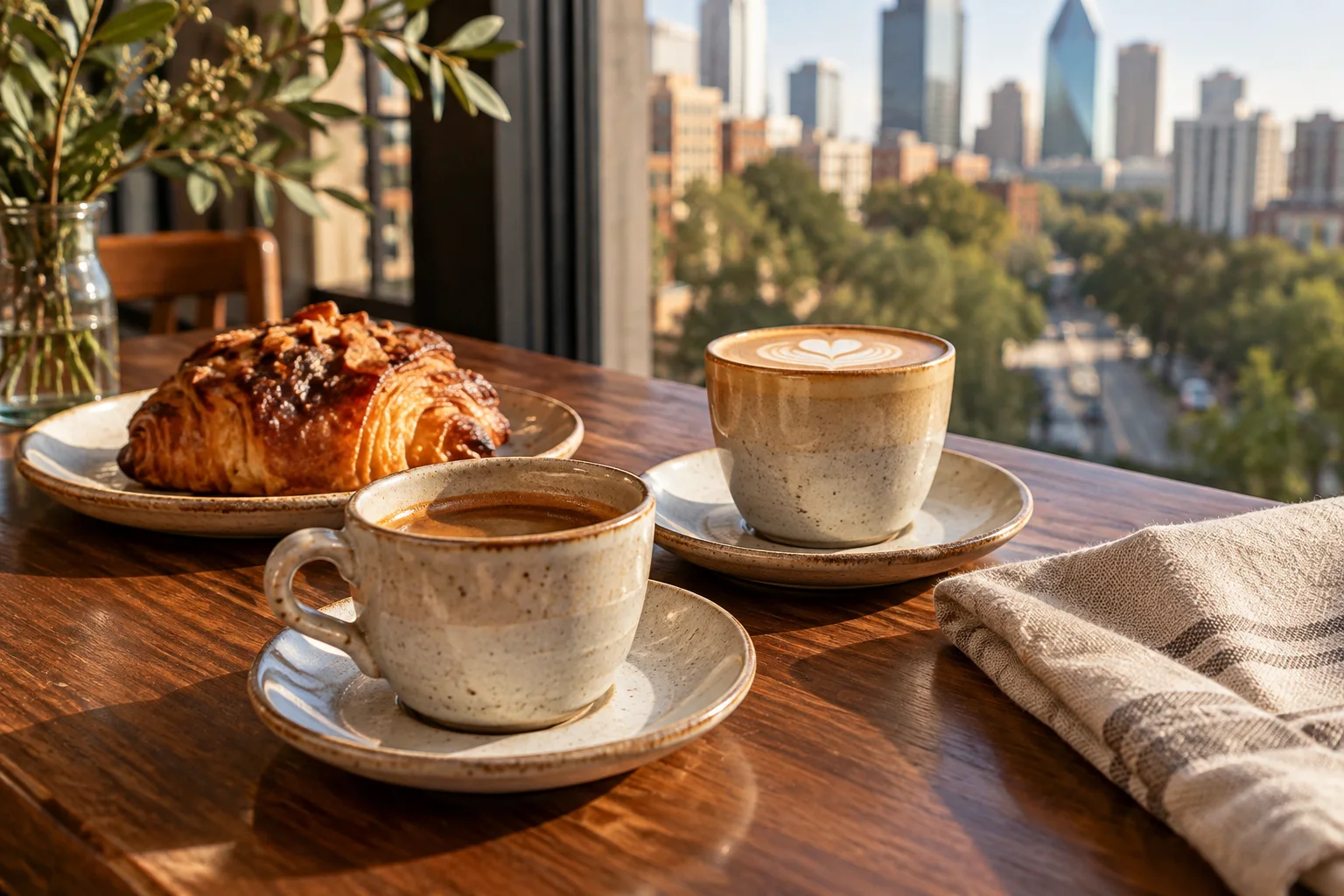
A single, well-chosen restaurant can anchor an entire afternoon. Whether it is a quiet lunch between errands or a celebratory dinner, the destination provides the rhythm for the day. However, the texture of a neighborhood often changes based on the time of day or the specific occasion, making the difference between a seamless outing and a frustrating detour.
The Anchor and the Orbit
When planning a trip, it is helpful to view your primary destination as an anchor. This is the venue where the meal is the main event. Everything else in your itinerary—the walk through a nearby park, a visit to a local shop, or a drive through a historic district—orbits this central point. The tradeoff lies in the density of your schedule. A tightly packed itinerary leaves little room for the unexpected, while a loose one might leave you wandering without a clear direction.
For example, if you decide to visit a specific bistro for lunch, you might also consider a nearby bookstore. The bookstore offers a gentle transition from the meal, but it remains entirely optional. If the meal runs long or the conversation is too engaging to break, the bookstore can be bypassed without compromising the core purpose of your outing.
Verifying the Details
Before setting out, direct verification of the venue's current status is essential. Relying on memory or old digital listings can lead to arriving at a closed door or finding a menu that no longer exists. A quick check ensures that your anchor is actually set.
When you contact the establishment, consider asking specific questions to tailor the experience to your needs. You might ask how the current menu reflects the season, or whether certain seating areas are better suited for the level of quiet you desire. If you are planning for a specific group size, ask how they handle reservations or if they suggest arriving at a particular time to avoid a wait.
Navigating the Neighborhood
The atmosphere of a Texas town can shift rapidly from the midday sun to the evening breeze. As you approach your destination, observe the immediate surroundings. Is the streetscape conducive to a slow stroll, or is it a high-traffic area where parking requires a more calculated approach?
If your outing involves more than just the meal, such as a walk through a local square, ask the restaurant staff if they have recommendations for nearby points of interest that align with your interests. They often have a better sense of the immediate neighborhood's current flow. By treating the restaurant as the primary focus and treating secondary stops as mere possibilities, you maintain control over your time. The most successful outings are those where the main destination is certain, and the rest of the day is allowed to breathe.